
About
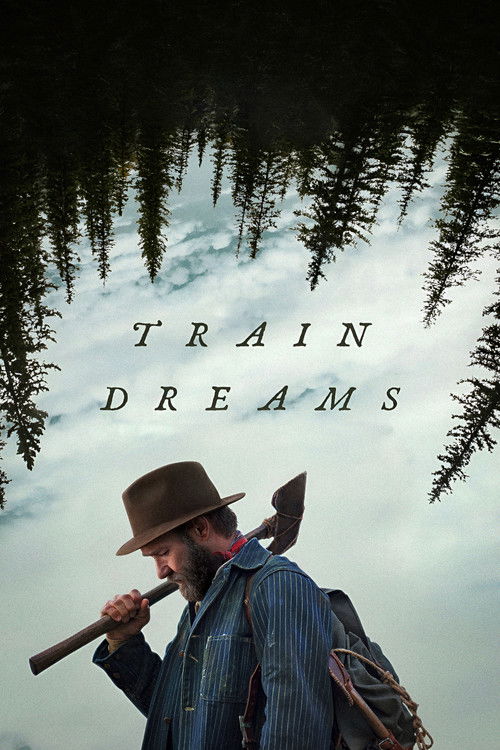
A logger leads a life of quiet grace as he experiences love and loss during an era of monumental change in early 20th-century America.
Trailer

Cast

Joel Edgerton
Robert Grainier

Felicity Jones
Gladys Grainier
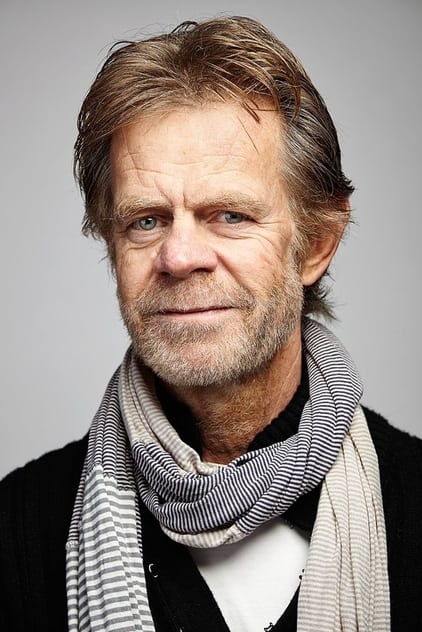
William H. Macy
Arn Peeples

Kerry Condon
Claire Thompson
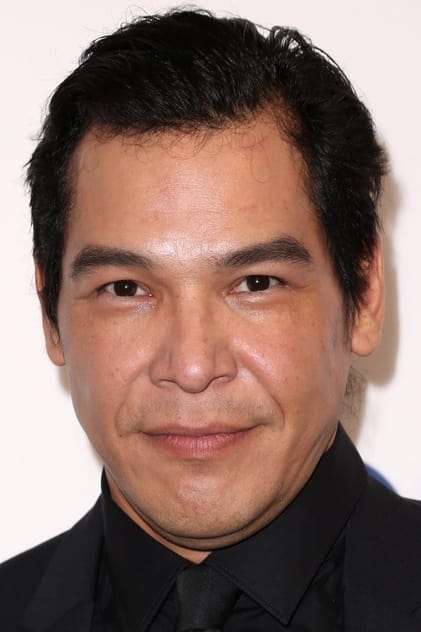
Nathaniel Arcand
Ignatius Jack
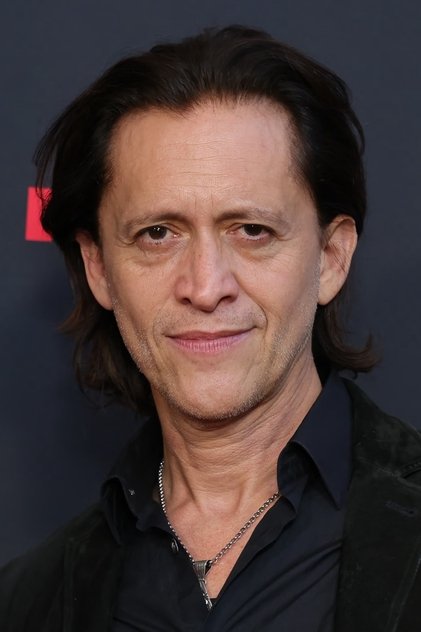
Clifton Collins Jr.
Boomer
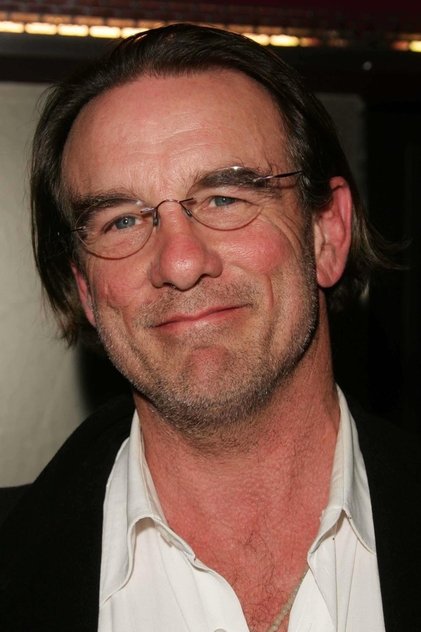
John Diehl
Billy
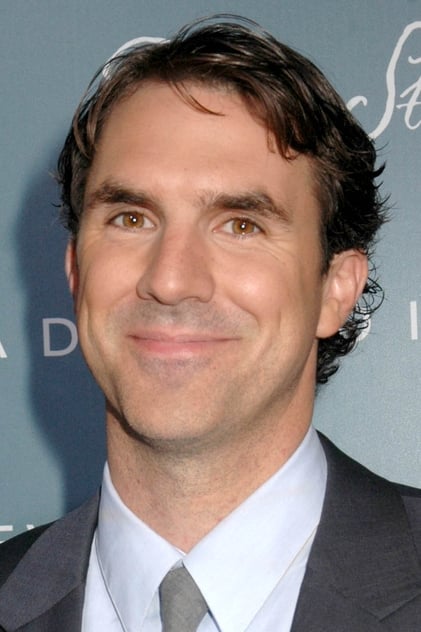
Paul Schneider
Apostle Frank
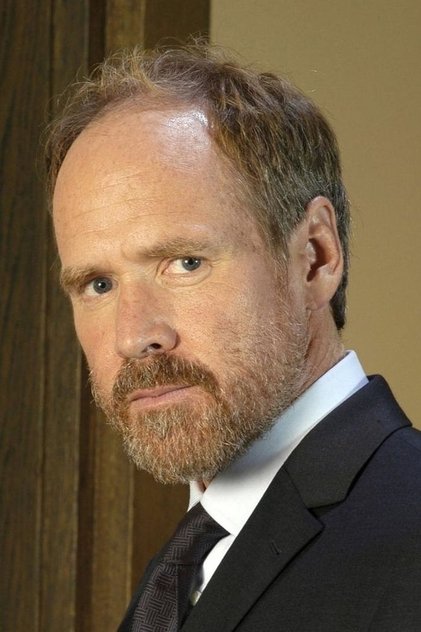
Will Patton
Narrator (voice)

Alfred Hsing
Fu Sheng
David Paul Olsen
Toomis
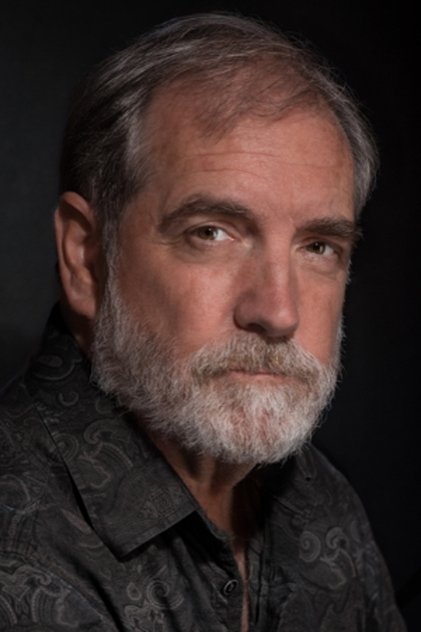
John Patrick Lowrie
Mr. Sears
Joel Edgerton
Robert Grainier
Felicity Jones
Gladys Grainier
William H. Macy
Arn Peeples
Kerry Condon
Claire Thompson
Nathaniel Arcand
Ignatius Jack
Clifton Collins Jr.
Boomer
John Diehl
Billy
Paul Schneider
Apostle Frank
Will Patton
Narrator (voice)
Alfred Hsing
Fu Sheng
David Paul Olsen
Toomis
John Patrick Lowrie
Mr. Sears
Reviews
Brent Marchant
While in our youth, as we struggled to understand the puzzling nature of life, many of us likely heard our elders say, “You’ll understand someday when you get older,” advice that we probably tucked away in good faith for future reference. But how many of us actually came upon that promised understanding when we grew into adulthood? Chances are, many of us patiently awaited the arrival of such insights only to discover that said assurance about them never panned out as hoped for. In fact, I’m willing to bet that failed expectation happened more frequently than not. And, in this sophomore feature outing from director Clint Bentley, that scenario would again seem to be the case as the film’s perpetually perplexed protagonist searches for meaning. But, considering how frequently this situation tends to occur in everyday life, for me, the key question becomes, do we really need to see a movie that depicts this kind of all-too-familiar experience, one that many of us have already gone through ourselves? This widely praised character study follows the life of Robert Grainier (Joel Edgerton), a logger who toils in the forests of the Pacific Northwest in the early 20th Century. Having been orphaned at a young age without ever knowing his parents, he’s always sought explanations for life’s mysteries, but they generally eluded him, even on into adulthood. And, in an era when the world was changing rapidly on many fronts, he longed for answers, though they never materialized, leaving him constantly wondering about his existence, particularly when he witnesses unexplained injustices, tragedies and personal setbacks. While it’s true that many of us can empathize with his circumstances, we nevertheless also can’t help but ask, “Well, who hasn’t gone through that?” (This isn’t exactly new ground.) In that sense, then, the film focuses on the yearning of a lost soul constantly striving for some grand revelation that never arrives, and it tries to elevate this notion to the level of something that’s never been conceived of before. Moreover, to emphasize the nobility of this point, the picture dresses it up with allegedly lofty voice-over observations that sound profound but that, frankly, don’t add much that’s meaningful or even interesting. The filmmaker also tries to cover these shortcomings with gorgeous cinematography and a capable lead performance by Edgerton (though, considering the admittedly less-than-demanding character of the role, that’s not exactly saying much). Perhaps the picture’s strongest (and most underrated) asset is its cast of colorful supporting players, most notably William H. Macy and Kerry Condon, though, regrettably, their screen time is somewhat limited. Given the accolades that have been generously showered on this offering, I find it disappointing that it fails to live up to the hype, both in terms of its cinematic attributes and, more importantly, the depth of its content. Maybe I’ll understand it better when I get older. But, given that there’s not much to understand in the first place, I sincerely doubt it.
Read full reviewManuel São Bento
I had high expectations going into TRAIN DREAMS, largely due to the heartwarming reception it received from friends and peers in the industry, along with some awards buzz. The film embraces 'slow cinema' at its most contemplative and dreamy, prioritizing mood and texture over a conventional plot. I'm a sucker for natural cinematography, and here the viewers are treated to pure visual cinema, capitalizing on the real wonders of our world with stunning static shots of sunsets near rivers and cabins deep in the woods. Even though the movie feels somewhat derivative and its trajectory becomes clear fairly quickly, it never drags or becomes dull thanks to the incredibly atmospheric score and the lyrical narration, which sets a poetic tone without ever feeling too heavy. At the heart of it all is Joel Edgerton, who delivers a career-best performance. It's a fantastic example of an "underperformance", a quiet display where dialogue is sparse, yet the actor transmits a universe of emotion, grief, and resilience exclusively through his facial expressions. It's a beautifully sad yet inspiring story about life, death, and endurance, sprinkled with surprisingly amusing moments of humor throughout the runtime. While I wish the film had gone deeper into some of its themes — specifically regarding cases of severe complicity from the protagonist, as well as the rawer edges of his grief — I understand that doing so might have worked against the dialogue-light structure Clint Bentley aimed for. TRAIN DREAMS ultimately stands as a testament to the power of enduring, proving that a quiet life is just as worthy of witnessing as a loud one. Rating: B
Read full reviewManuel São Bento
I had high expectations going into TRAIN DREAMS, largely due to the heartwarming reception it received from friends and peers in the industry, along with some awards buzz. The film embraces 'slow cinema' at its most contemplative and dreamy, prioritizing mood and texture over a conventional plot. I'm a sucker for natural cinematography, and here the viewers are treated to pure visual cinema, capitalizing on the real wonders of our world with stunning static shots of sunsets near rivers and cabins deep in the woods. Even though the movie feels somewhat derivative and its trajectory becomes clear fairly quickly, it never drags or becomes dull thanks to the incredibly atmospheric score and the lyrical narration, which sets a poetic tone without ever feeling too heavy. At the heart of it all is Joel Edgerton, who delivers a career-best performance. It's a fantastic example of an "underperformance", a quiet display where dialogue is sparse, yet the actor transmits a universe of emotion, grief, and resilience exclusively through his facial expressions. It's a beautifully sad yet inspiring story about life, death, and endurance, sprinkled with surprisingly amusing moments of humor throughout the runtime. While I wish the film had gone deeper into some of its themes — specifically regarding cases of severe complicity from the protagonist, as well as the rawer edges of his grief — I understand that doing so might have worked against the dialogue-light structure Clint Bentley aimed for. TRAIN DREAMS ultimately stands as a testament to the power of enduring, proving that a quiet life is just as worthy of witnessing as a loud one. Rating: B
Read full reviewFeaturettes(16)

Joel Edgerton Reads Letterboxd Reviews

Cinematographers Adolpho Veloso & Lol Crawley

Cate Blanchett and Joel Edgerton Discuss Train Dreams

Bryce Dessner and Timo Andres Perform the Train Dreams Score Live to Screen

The Music of Train Dreams with Clint Bentley, Joel Edgerton and Bryce Dessner

“Train Dreams” by Nick Cave & Bryce Dessner | Official Music Video

Scene at the Academy (Feat. Joel Edgerton, Clint Bentley, and Bryce Dessner)

Shot by Shot with Joel Edgerton, Felicity Jones, & Clint Bentley

Shot by Shot with Joel Edgerton & Clint Bentley

Joel Edgerton and Kerry Condon Step Back in Time in Clint Bentley's Historical Drama 'Train Dreams'
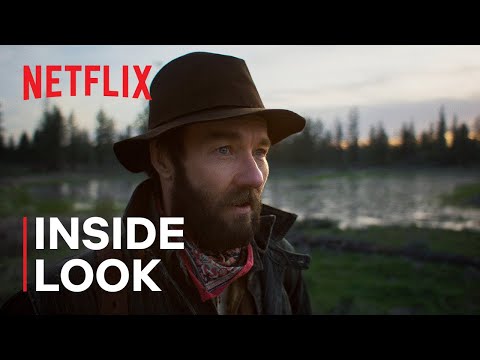
Joel Edgerton's Emotional Performance

Joel Edgerton & Felicity Jones' Hilarious Reoccurring Dreams & How They Made Train Dreams | BAFTA

A Conversation with Clint Bentley, Joel Edgerton, William H. Macy and Kerry Condon

Immersive Cinematic Audio Journey

Cast and Crew Q&A | TIFF 2025

Meet the Artist 2025: Clint Bentley on “Train Dreams”
Joel Edgerton Reads Letterboxd Reviews
Cinematographers Adolpho Veloso & Lol Crawley
Cate Blanchett and Joel Edgerton Discuss Train Dreams
Bryce Dessner and Timo Andres Perform the Train Dreams Score Live to Screen
The Music of Train Dreams with Clint Bentley, Joel Edgerton and Bryce Dessner
“Train Dreams” by Nick Cave & Bryce Dessner | Official Music Video
Scene at the Academy (Feat. Joel Edgerton, Clint Bentley, and Bryce Dessner)
Shot by Shot with Joel Edgerton, Felicity Jones, & Clint Bentley
Shot by Shot with Joel Edgerton & Clint Bentley
Joel Edgerton and Kerry Condon Step Back in Time in Clint Bentley's Historical Drama 'Train Dreams'
Joel Edgerton's Emotional Performance
Joel Edgerton & Felicity Jones' Hilarious Reoccurring Dreams & How They Made Train Dreams | BAFTA
A Conversation with Clint Bentley, Joel Edgerton, William H. Macy and Kerry Condon
Immersive Cinematic Audio Journey
Cast and Crew Q&A | TIFF 2025
Meet the Artist 2025: Clint Bentley on “Train Dreams”
Behind the Scenes(4)

Filmmaker Diaries with Clint Bentley

Nick Cave and Bryce Dessner Discuss the Score and Original Song

How Denis Johnson's Train Dreams Was Adapted Into A Screenplay

The Cinematography of Train Dreams
Filmmaker Diaries with Clint Bentley
Nick Cave and Bryce Dessner Discuss the Score and Original Song
How Denis Johnson's Train Dreams Was Adapted Into A Screenplay
The Cinematography of Train Dreams